If We Still Taught Swimming Like the 70s… I’d Still Be Wearing This Hat 😅
(And why your dog can’t learn in the deep end)
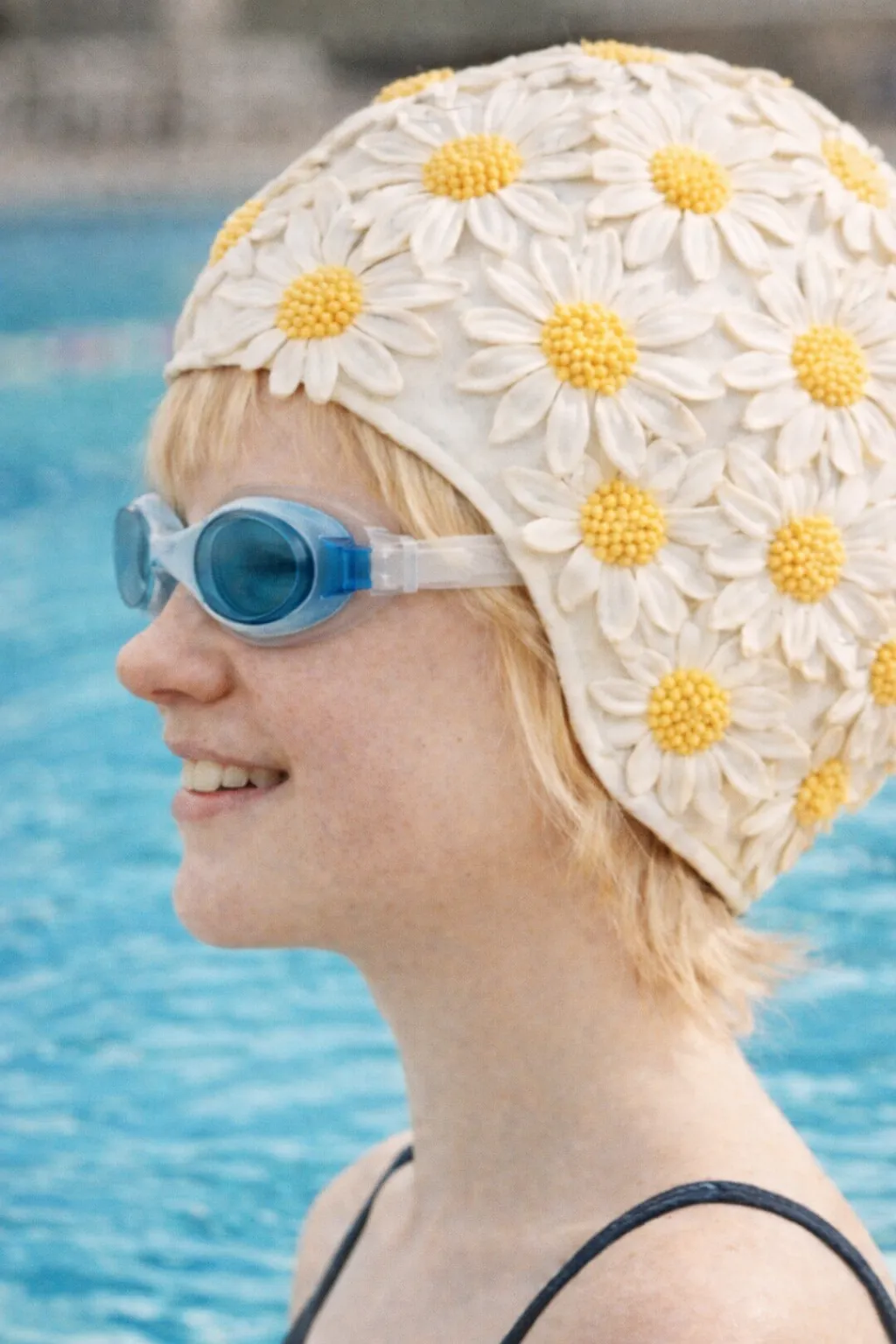
(And yes… that is me, looking extremely fetching in a 1970s swimming hat covered in daisies 😅 Who remembers those? But back to the point…)
I remember the feeling.
Standing at the edge of the pool…
and then being thrown into the deep end.
No real preparation.
No time to get used to the water.
Just… go.
And I wasn’t learning to swim.
I was trying not to drown.
Arms flailing.
Heart racing.
Doing anything I could just to stay afloat.
Not taking anything in.
Not building skill.
Just surviving.
And if I’m honest… I still don’t love deep water now.
Because when you’re pushed in before you’re ready,
your body remembers.
And I see that same moment — in a different form — in dogs.
A dog, already a little out of their depth.
A lead clipped on.
A walk begun with good intentions…
…and then something appears in the environment that feels too much.
Another dog.
A person.
Movement.
Noise.
And within minutes…
Pulling.
Barking.
Switching off.
Not taking food.
Not responding.
And the person at the other end of the lead thinking:
“Why is this so hard?”
Because sometimes… it’s not that your dog isn’t learning.
It’s that they can’t.
Because they’re in the deep end.
When a dog becomes overwhelmed — when their system shifts into that fight, flight or freeze state — they’re no longer in a place where learning happens.
It can look like they’re ignoring you.
Like they’ve suddenly forgotten everything.
But in that moment…
They’re doing exactly what I was doing in that swimming pool.
Trying to stay afloat.
And this is where understanding changes everything.
Because what often looks like a training problem…
is actually a “being out of depth” problem.
Like a rising water level.
At first, they’re aware.
They notice things.
They’re still able to respond.
But as the world gets closer, louder, more intense…
That water rises.
Until suddenly…
They’re no longer swimming.
They’re just trying not to drown.
And when they’re there?
They can’t learn.
On the training field, this is the moment I’m always watching for.
Not whether the dog can sit.
Not whether they come back.
But whether they are still able to learn.
Because if they’re not…
We don’t keep asking.
We change the picture.
We offer relief first.
Because relief is what allows the system to settle… and learning to begin again.
And this is why I work the way I do.
Because we don’t start in the deep end.
We start at the side of the pool.
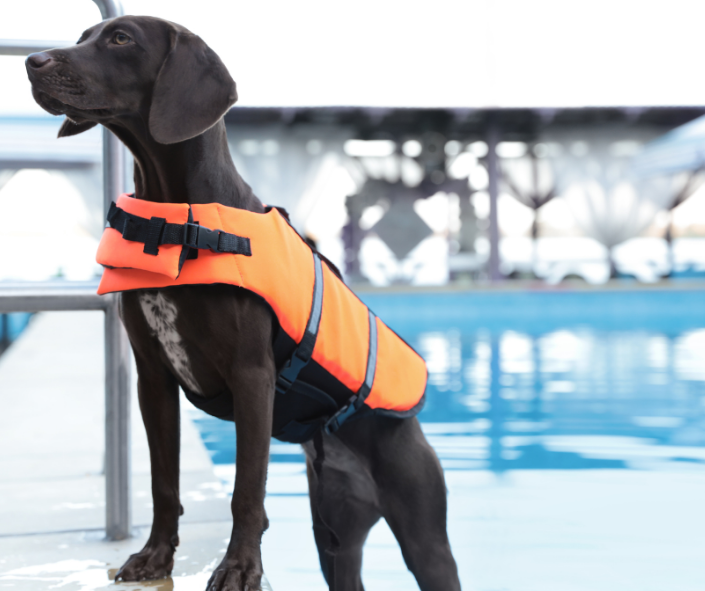
We build skills first — for both ends of the lead.
We create understanding.
We help dogs feel safe enough to think.
We work at a distance where they can still:
Pause.
Breathe.
Notice.
Respond.
Because distance isn’t just space.
It’s what allows the brain to stay out of survival mode and in learning mode.
Then, slowly and gently…
We move a little closer.
Always with a way back.
Always within their depth — their current skill level and emotional capacity.
Because that’s how confidence is built.
Not by throwing them in and hoping they cope…
But by helping them feel safe enough to try.
And here’s something I gently notice quite a lot.
Because when we have a dog who feels busy, bouncy, full of energy…
it’s easy to think:
“They need more.”
But often…
What they actually need…
is help coming back down.
To regulate.
To pause.
To find a little relief in the moment…
so they can respond again.
Because a dog who can come back down…
is a dog who can learn.
And when that happens…
Everything shifts.
They can hear you again.
They can take food again.
They can respond.
Not because they’ve been made to…
But because they’re no longer just trying to stay afloat.
And you?
You stop feeling like you’re failing.
You start to feel like a team again.
So if things feel a bit like the deep end right now…
You’re not alone.
So many people find themselves here — often quietly, often wondering why it feels harder than they expected.
And you don’t have to stay there.
We can always come back to the shallow end.
And that’s where the real learning begins.
💛 Need a bit of support?
I offer kind, reward-based dog training in South Petherton and surrounding areas, helping you and your dog learn together — at a pace that feels manageable for both of you.
You’re very welcome to reach out via my website to book a discovery call.
🌿 A gentle note
This way of working is influenced by the work of thoughtful professionals in the field of behaviour, including Michael Shikashio, Grisha Stewart, and Amber Batson, who all emphasise the importance of distance, emotional safety, and helping dogs feel able to learn.