Puppy Socialisation: Your Puppy Isn't Ready for Freshers' Week
Puppy Socialisation: Your Puppy Isn't Ready for Freshers' Week
Slow down. Watch more. Build confidence before complexity.
"I need to get my puppy out meeting as many people and dogs as possible while they're still young..."
It's one of the most common things I hear from new puppy owners.
And I completely understand why.
We're all told how important puppy socialisation is. Social media, friends, books and even well-meaning strangers often tell us we need to expose our puppies to as much as possible before they reach sixteen weeks old.
More dogs.
More people.
More places.
More experiences.
More, more, more.
But I wonder whether we've misunderstood what socialisation really means.
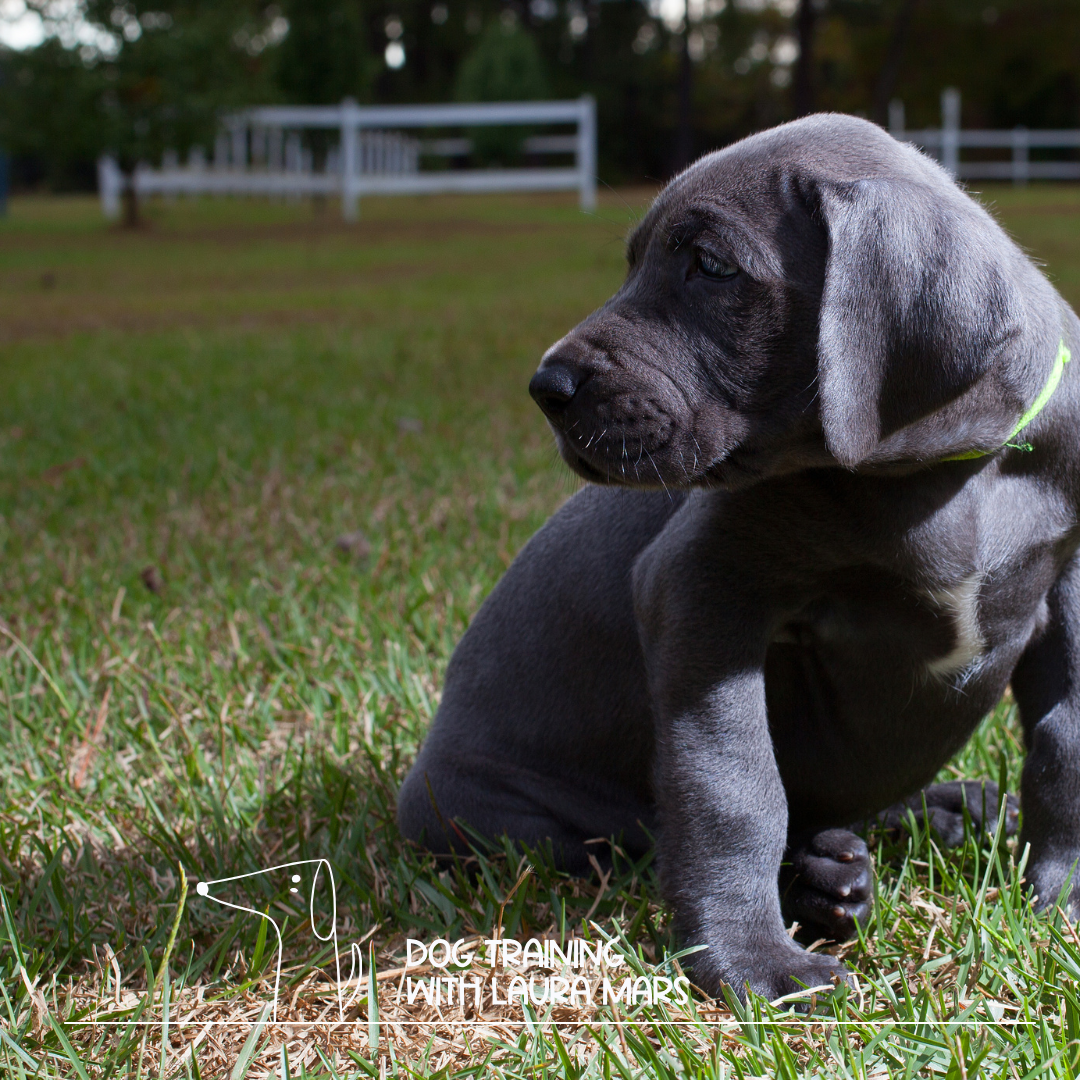
Imagine taking a toddler to Freshers' Week.
Loud music, hundreds of strangers, everyone trying to say hello, new sights, new smells, new sounds.
You probably wouldn't think,
"This is fantastic socialisation."
You'd probably think,
"This is far too much for such a little person."
Instead, you'd choose experiences that matched their stage of development.
Think less Freshers' Week and more a gentle walk with your Nan, feeding the ducks and watching the world go by.
Time to notice.
Time to wonder.
Time to feel safe.
Calm.
Predictable.
Gentle.
I sometimes think we've forgotten that puppies are babies too.
Socialisation isn't about meeting everyone.
One of the biggest myths I come across is that successful socialisation means saying hello to everyone.
It doesn't.
Your puppy doesn't need every stranger to stroke them.
They don't need to play with every dog they see.
They don't need to visit every café, pub, shopping centre and dog-friendly event before they're sixteen weeks old.
Sometimes, our eagerness to help our puppies experience everything means we accidentally ask them to experience far too much.
Instead, slow down. Watch more. Let your puppy experience the world at their own pace and discover that the world is safe.
Observation is learning.
Some of my favourite puppy sessions look, well... a little boring.
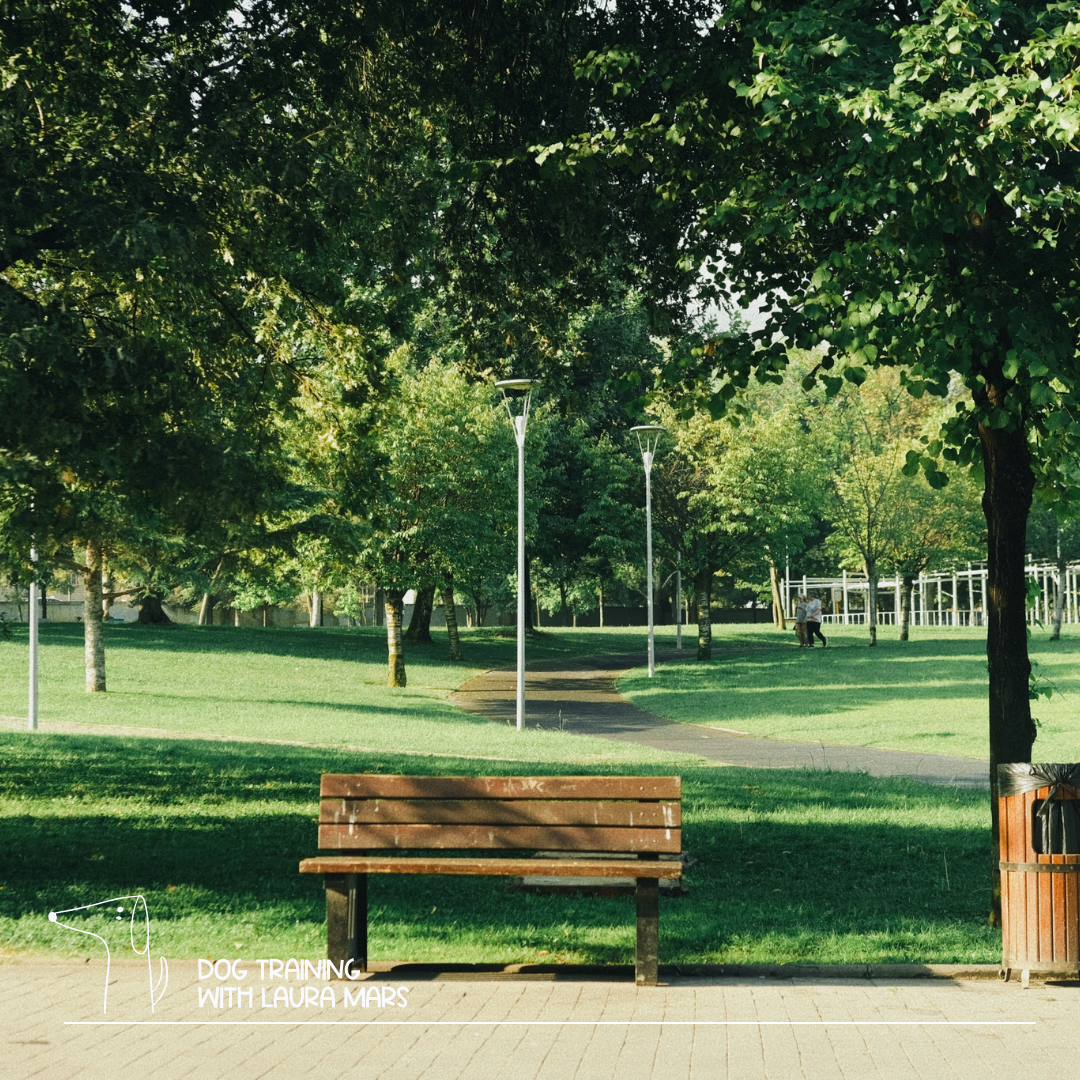
We'll simply sit on a bench together, watching the world go by. People wander past, a cyclist rides by, a dog appears in the distance, children play in the park and the occasional bus rumbles past. My puppy notices what's happening, perhaps looks back at me for a little piece of chicken, and then quietly goes back to watching.
To anyone passing by, it probably doesn't look like training at all.
But these are often the sessions where the biggest learning happens.
Because whilst it might look as though nothing much is going on, your puppy is quietly learning one of life's biggest lessons:
"The world exists... and I'm safe."
Think about trees for a moment...
Bear with me, I promise this will make sense. Here's a question I often ask my clients.
Why don't dogs usually become wildly excited about trees? Or park benches? or lampposts?
Or... well... perhaps not lamp posts! 😄 Hopefully you get my drift. Why aren't they dragging us across the pavement desperate to investigate every tree or park bench they see? It's because those things have become part of the background.
They're neither exciting nor worrying.
They're just... there.
Now imagine if your puppy grew up feeling the same way about most people, other dogs and the everyday things they encounter.
Not desperate to greet every single one. Not frightened by them.
Just calm, relaxed and comfortable sharing the world alongside them.
When we think about it, that's exactly what we hope for as our puppies grow into adult dogs. For me, that's what successful "socialisation" looks like.
Safety and relationship come before training.
If you've worked with me before, you'll probably have heard me say this:
Before we think about training, let's first think about safety and the relationship you're building with your puppy.
I meet so many new puppy owners who are worried about getting it wrong. They ask me when they should start training, whether they're doing enough socialisation, or whether they're already falling behind.
My answer often surprises them.
Start on day one... but perhaps not in the way you think.
Before we worry about teaching sit, down or stay, let's focus on helping your puppy feel safe. Let's build a relationship where your puppy learns that you're someone they can trust, someone who notices how they're feeling, and someone who helps them make sense of this big new world.
Puppies who don't feel safe aren't in the best place to learn. If your puppy seems overwhelmed, they're not being difficult or stubborn. They're simply telling us that what we're asking of them feels a little too much right now.
Our job isn't to persuade them to cope.
It's to help them feel safe.
Sometimes that means slowing down. Sometimes it means moving a little further away. Sometimes it means sitting quietly together and simply watching the world go by. Sometimes it means going home and trying again another day.
There is no rush.
Your puppy doesn't need to experience everything this week, or even this month. You have years ahead of you to explore the world together.
Let them look.
Let them listen.
Let them sniff.
Let them simply be.
If they decide something feels a little too much today, that's okay. It isn't failure; it's information. We simply make things a little easier next time.
Reward the behaviours your puppy freely offers that you'd love to see more of: looking back at you, choosing to stay close, calmly watching the world, checking in, following you and settling beside you.
Those little moments might not feel like training...
But they're some of the most important lessons your puppy will ever learn.
I spend far less time worrying about whether a puppy can sit...
...than I do wondering whether they're enjoying learning, feeling safe and beginning to trust the person at the other end of the lead.
Every time your puppy chooses to check in with you, and every time you smile, reassure them or reward that choice, you're strengthening your relationship.
You're gently teaching your puppy that when the world feels uncertain...
Home is at the other end of the lead.
Why I specialise in one-to-one puppy training
People often ask why I don't run puppy classes. The answer is simple.
Many puppies absolutely thrive in a well-run group class, and if that's you and your puppy, that's wonderful. They can be a fantastic option for many families.
But not every puppy does.
And, if we're honest, not every human does either. Every puppy is different. Every family is different. Every learner is different, and every learning journey is unique.
Some puppies arrive full of confidence and ready to explore. Others need a little more time, a little more space or a little less distraction before they feel ready to learn.
The same is true for people. Some owners love learning in a group, while others find it overwhelming, worrying that everyone else is getting it "right" and they're somehow falling behind. I never want either end of the lead to feel like that.
That's why I specialise in one-to-one puppy training.
It allows me to meet every puppy, and every person, exactly where they are. Together, we can slow things down, work at a pace that feels comfortable, and build confidence before gently taking those new skills out into the wider world. After all, learning isn't a race.
It's about helping both you and your puppy feel safe, supported and able to thrive.
Confidence before complexity
I often compare puppy training to learning to swim.
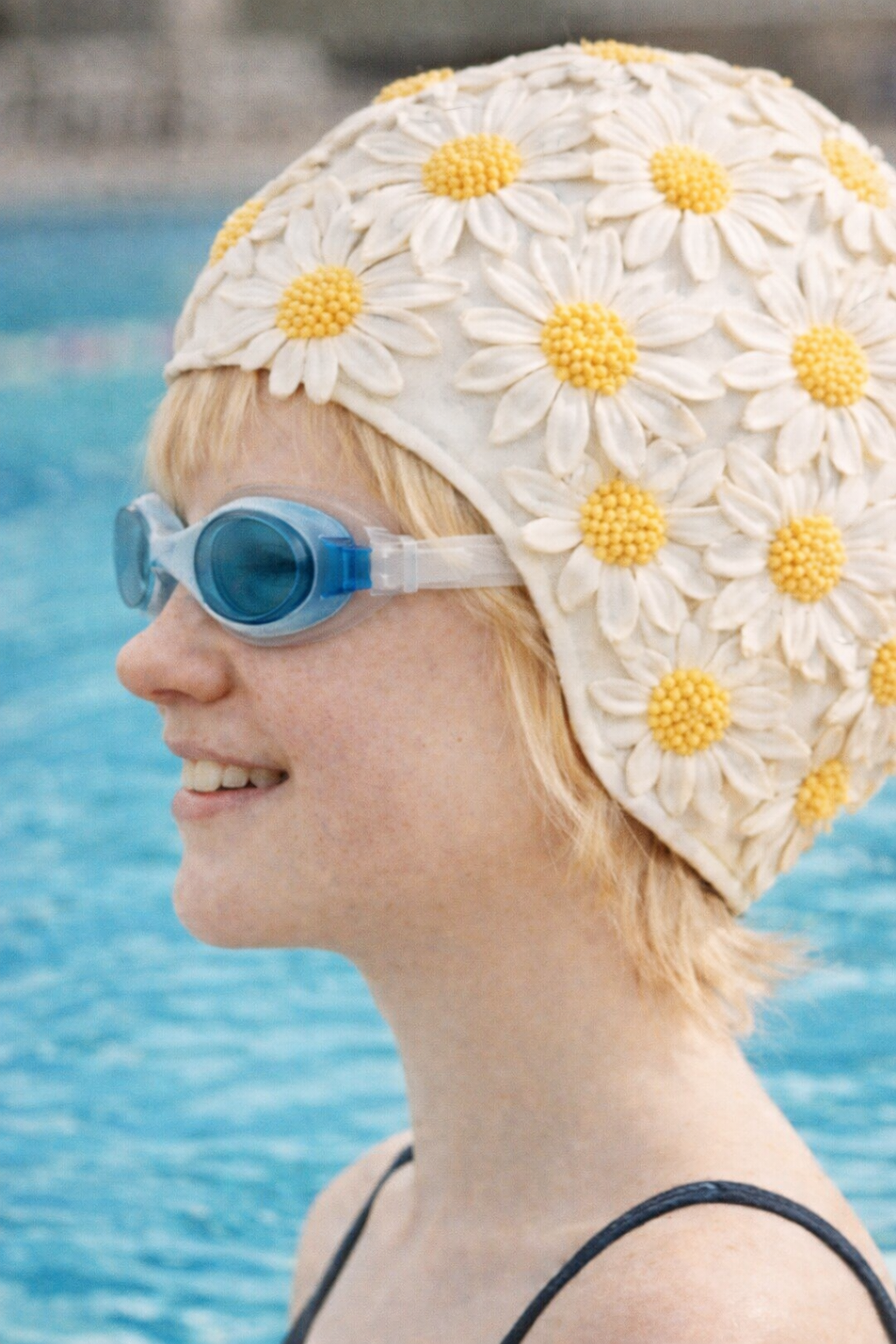
Well... not quite the way I learnt in the 1970s. That wasn't so much learning to swim as trying not to drown with grace whilst wearing one of those rather fetching rubber swimming hats covered in giant daisies! 😄
Thankfully, things have moved on.
These days, we don't usually teach children to swim by throwing them into the deep end and hoping for the best.
We start in the shallow end, where they can stand, where they can put a foot down if they need to, where they feel safe enough to have a go, make mistakes and experience success.
As their confidence grows, so do their skills. We might start by swimming widths before moving on to lengths, gradually building on those early successes until they're ready for deeper water.
I believe puppy training should feel exactly the same.
Let's teach our puppies the skills they'll need for busy parks, cafés, dog-friendly pubs and all the adventures that come with everyday life... but let's learn those skills in the shallow end first.
That means starting in quieter, lower-distraction environments where your puppy can think, learn and succeed. It means adapting each lesson to the individual puppy, their breed, their personality and the family in front of us, rather than expecting every puppy to learn in exactly the same way.
That's one of the reasons I love one-to-one training. It allows me to meet each puppy exactly where they are, helping both ends of the lead build confidence step by step before we gradually take those skills out into the wider world.
Confidence before complexity.
Because confidence grows through success, not overwhelm.
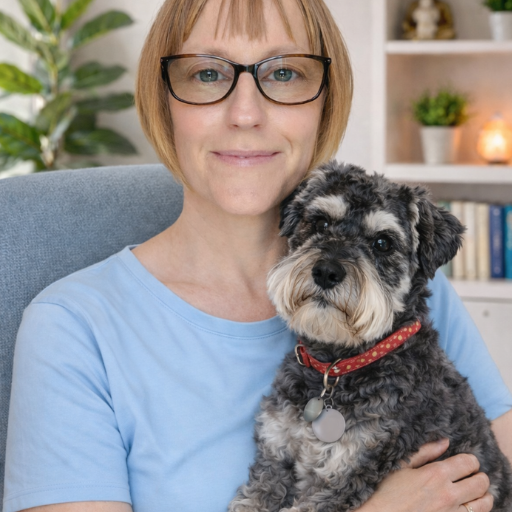
and yes this is me in the 1970s
Let's give puppies time
The world we've created for dogs is incredibly busy.
Our puppies grow up surrounded by cars, cyclists, schools, cafés, garden centres, dog-friendly pubs, children, joggers and shopping centres. It's a wonderful world, but for a tiny puppy, it can also feel like a lot.
So I'd like to leave you with one simple thought.
You have permission to slow down.
You don't need to cram a lifetime of experiences into a few short weeks.
You have permission to focus on helping your puppy feel safe.
To build your relationship before worrying about ticking training boxes.
To reward curiosity.
To celebrate check-ins.
To let your puppy observe the world instead of interacting with every part of it.
To listen when they're telling you they've had enough.
There will be plenty of time for busy parks, cafés and adventures together.
Right now, your job isn't to create a puppy who wants to meet everyone.
It's to help them grow into a dog who feels calm, confident and safe sharing the world alongside everyone.
Because confidence isn't built through pressure.
It's built through feeling safe enough to learn.
And for me...
That will always beat Freshers' Week.
Need a little help getting started?
Bringing home a puppy is exciting, but it can also feel overwhelming. There is so much advice out there, and it's easy to wonder whether you're doing enough or getting it right.
If you'd like a little guidance, my Puppy Start Right Zoom consultation is designed to help you understand your puppy, build confidence, strengthen your relationship and create calm foundations before the world gets a little bigger.
It's ideal if you're still waiting to bring your puppy home, giving you the confidence to get everything ready before they arrive. It's also perfect for puppies who haven't yet completed their vaccinations, helping you make the most of those early weeks and build great foundations long before they're ready to explore the wider world.
If you're local to South Somerset, I also offer private one-to-one puppy training from my quiet training field near South Petherton. Every lesson is tailored to your puppy, your family and your pace, helping both ends of the lead build confidence together.
Ready to take the next step?
🐾 Book a free 15-minute Discovery Call → (link to your discovery call booking page)
💛 Because every puppy deserves the chance to learn in the shallow end before we ask them to swim in the deep end.